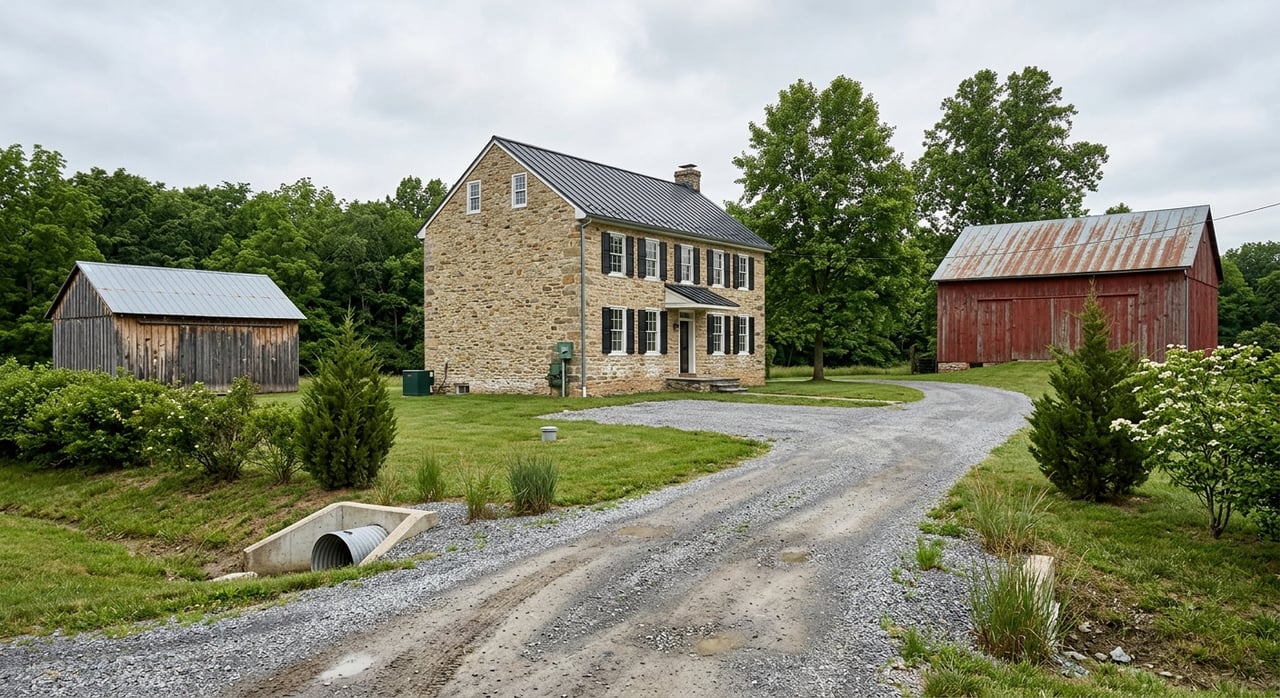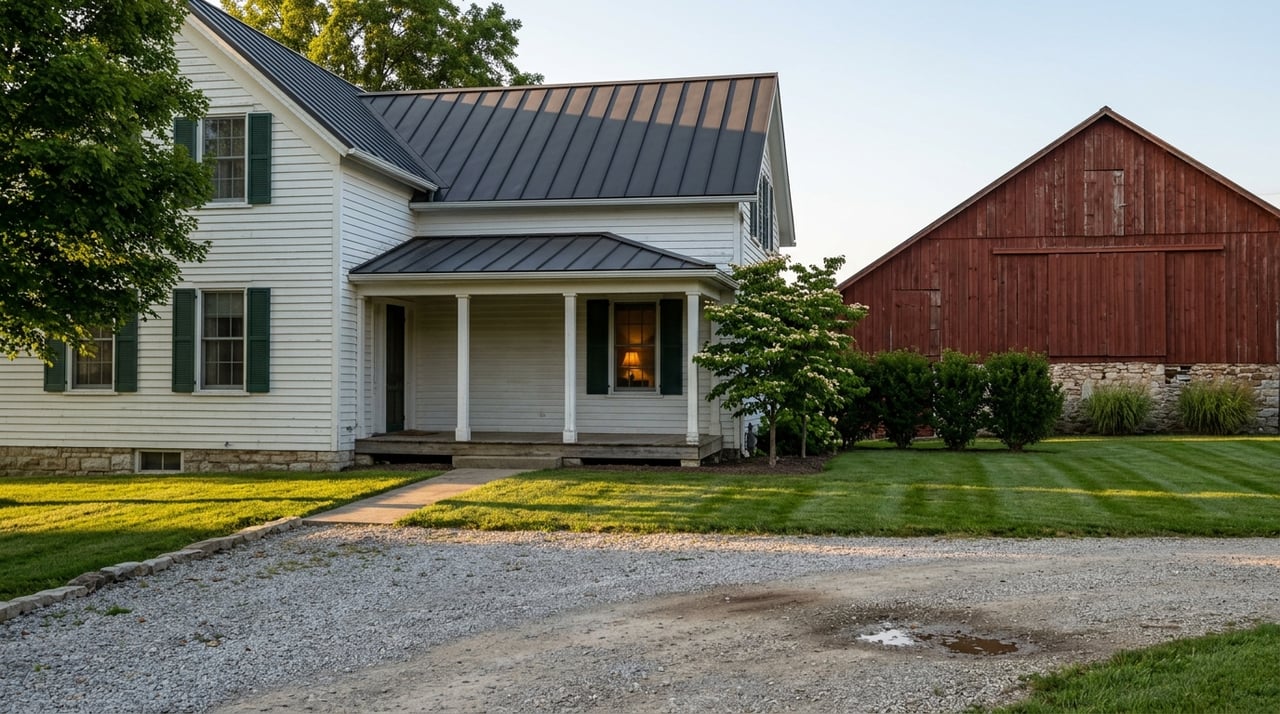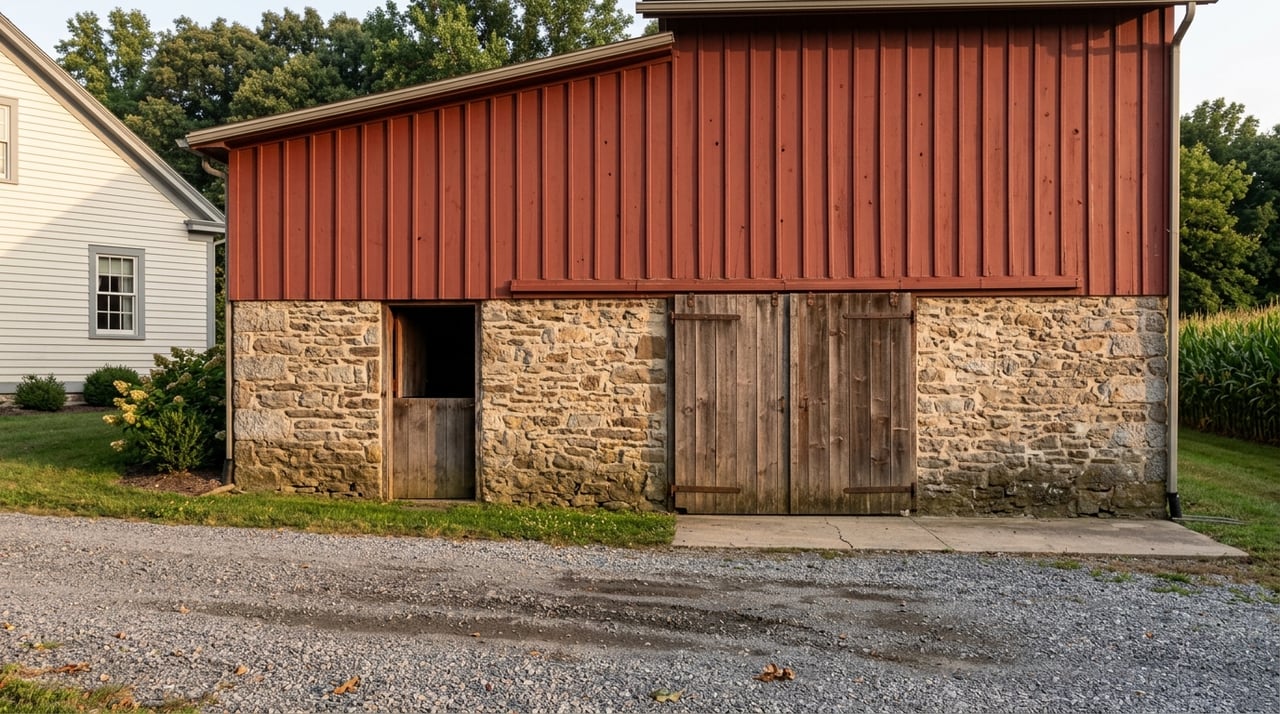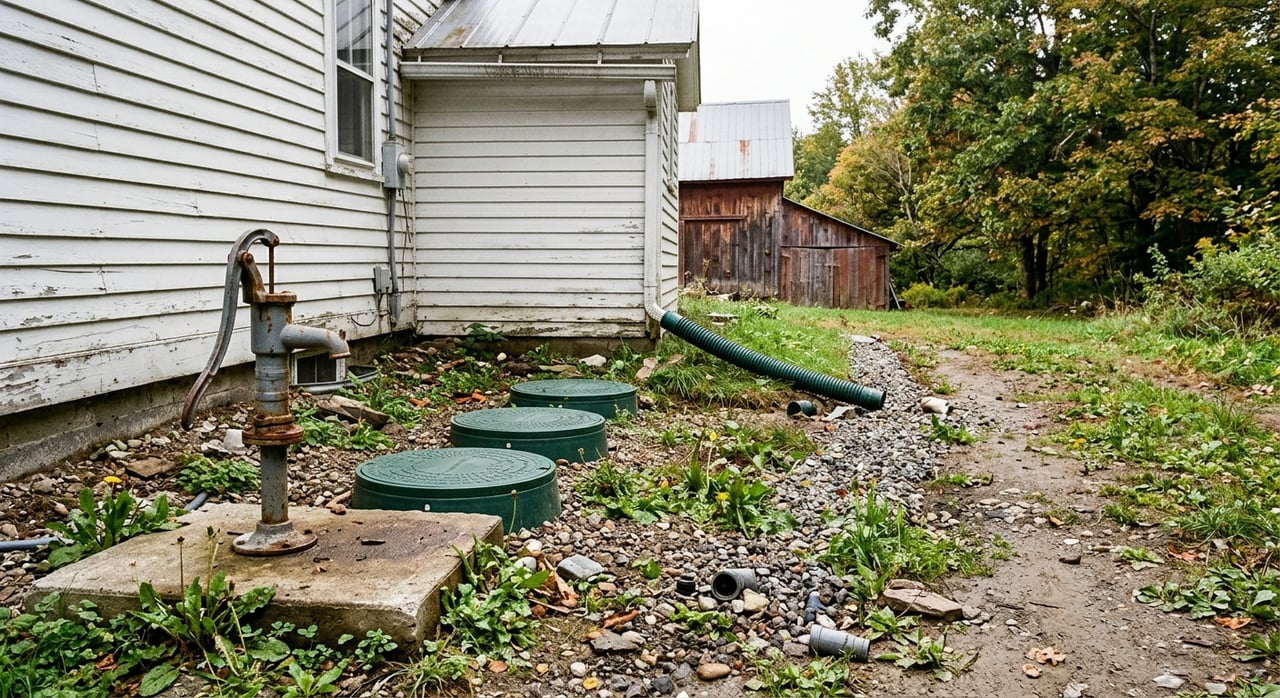
Buying acreage in Chester County can look simple on paper until you discover the land has limits you did not expect. A beautiful parcel may have zoning rules, floodplain overlays, septic questions, or preserved-farm restrictions that change what you can actually do with it. If you want to avoid expensive surprises, a smart due diligence plan can help you sort the facts before you spend heavily on inspections and revisions. Let’s dive in.
Why acreage due diligence matters
Acreage purchases usually involve more moving parts than a typical neighborhood home. You are not just evaluating the house. You are also evaluating the land, access, utilities, outbuildings, and any rules tied to the parcel.
In Chester County, municipalities control land-use policy. The Chester County Planning Commission reviews plans, zoning, subdivisions, and land developments under the Municipalities Planning Code, and county materials also note that zoning overlays may address floodplains, steep slopes, wetlands, and other sensitive site features. That means your first questions should focus on what the municipality allows and what site conditions may affect the parcel.
Start with zoning and municipality rules
Before you assume a parcel can be used for horses, a shop, a farmette setup, or future building, confirm the municipal zoning district. Chester County planning materials make clear that municipalities control land-use policy, so the same type of property may be treated differently from one township or borough to the next.
This step matters because acreage buyers often focus on what they see instead of what the code allows. A field, barn, or large open area does not automatically mean your intended use is permitted. You want to know the zoning facts early, before emotions take over.
Check overlay districts too
Overlay rules can affect only part of a parcel or the entire tract. Chester County’s zoning-overlay guidance notes that municipalities regulate construction and disturbance in flood-prone areas, and common overlays can include floodplains, steep slopes, wetlands, woodlands, airport areas, and wellhead protection areas.
These overlays can shape where you build, where you add a driveway, or how much land you can disturb. On acreage, usable land and total land are not always the same thing. That is why overlay review should happen near the start of your process, not after you are already committed.
Confirm preservation and Clean and Green status
If you are buying farmland, a farmette, or a larger rural parcel, ask whether the property is enrolled in Clean and Green or subject to an agricultural conservation easement. These are not small details. They can affect taxes, permitted uses, and your long-term plans for the land.
Chester County states that Act 319, also called Clean and Green, affects land assessment but not improvements, and rollback taxes can apply if the use changes. The county also explains that an agricultural conservation easement limits the property to agricultural purposes and runs with the land for future owners.
Verify the parcel before you offer
If a property may be preserved, verify the tax parcel number and preservation status through Chester County’s agricultural easement data chart and parcel map. This helps you confirm exactly what you are buying. It also helps prevent confusion when a listing description sounds broader than the recorded restrictions.
For buyers, this is one of the biggest risk-reduction steps. A preserved property may still be a great fit, but only if it matches how you plan to use it.
Review access, frontage, and parcel identity
Acreage that looks accessible on a map can still have practical or legal access issues. Start by identifying how you actually reach the property, whether there is road frontage, and whether any shared lane, easement, or private drive serves the parcel.
Chester County’s GIS portal, ChescoViews, is a strong early screening tool. It allows searches by address, owner name, UPI, PIN, street name, municipality, or intersection, and it shows roads, parcel lines, municipal boundaries, floodplains, streams, lakes, contour lines, soils, wetlands, subdivisions, and aerial photography.
Understand UPI and PIN numbers
Parcel identity matters more than many buyers realize. Chester County requires the UPI on recorded land-record documents and notes that the UPI and PIN are not the same number.
This is useful during due diligence because you want to make sure permits, maps, and records are tied to the right parcel. When rural properties have multiple tax parcels, old deeds, or boundary quirks, confirming the parcel identity early can save time and confusion later.
Watch state-road driveway access
If the driveway or access point connects to a state highway, PennDOT requires a Highway Occupancy Permit before building or changing the driveway, road, drainage, or utility facility on state highway land. That is a major point for vacant land buyers and for anyone planning to improve an existing entrance.
If access is by a private lane or shared drive, review the title commitment and deed language carefully. You want to understand how access is granted and who is responsible for maintenance before you move forward.
Pull well and septic records early
In rural property purchases, well and septic questions should move near the top of your list. They are separate from a standard home inspection and often require their own record review and testing strategy.
The Chester County Health Department issues permits for on-lot sewage disposal systems and well construction, including private water supply wells. The department also provides permit-design searches and historic permit-design requests for sewage and well records.
Why well testing matters
Pennsylvania DEP does not regulate private wells, and the Pennsylvania Department of Conservation and Natural Resources says private-well protection and maintenance are the homeowner’s responsibility. For buyers, that makes pre-offer or early-contract testing especially important.
Pennsylvania Department of Health guidance recommends regular well testing when a well is first drilled, when water smell, color, or taste changes, after a flood or septic failure, and before moving into a new property. If a parcel depends on a private well, do not treat water quality as an afterthought.
Septic records can reveal major issues
For septic systems, Chester County notes that new major permits require soil testing, and repairs or modifications may also require permits. The county’s on-lot septic materials also make clear that these systems are regulated separately from a standard home inspection.
Before you make an offer on a well-and-septic property, ask for:
- Permit history
- Any replacement-area information
- Pumping or service records
- The location of the absorption area
Those records can help you understand whether the system is documented, where critical components are located, and whether there may be limitations on future additions or site changes.
Do not overlook barns and outbuildings
On acreage properties, buyers often get excited about the barn, workshop, shed, or pole building. That makes sense. These structures can add real function and value.
Still, you should evaluate them with the same care you give the house. Pennsylvania’s Uniform Construction Code requires a building permit before starting construction or building work, and inspections are required for many changes to buildings and utility systems.
Ask what was permitted
Before you assume an outbuilding is ready for your intended use, confirm whether it was permitted and whether utilities were properly installed. You should also confirm whether the municipality applies zoning, setback, or overlay restrictions that affect the structure.
This matters if you hope to use a building for storage, livestock support, workshop space, or another practical purpose. A solid-looking structure is not always a fully documented one.
Use a smart first-pass sequence
Acreage due diligence works best when you follow an orderly process. Chester County resources support a practical buyer sequence that helps you screen for major issues before spending money on full technical review.
Here is a strong first-pass approach:
- Identify the municipality and zoning district.
- Screen the parcel in ChescoViews for access, overlays, soils, and mapped constraints.
- Check whether the land is preserved or enrolled in Clean and Green.
- Pull well and septic records from the county.
- Confirm driveway or access permits and any structure permits.
- Then order technical inspections and survey or title review.
This order helps you catch common acreage surprises earlier. It can also help you make cleaner decisions about whether a property deserves deeper investigation.
A steady approach can save you money
The goal of due diligence is not to make rural buying feel harder than it is. The goal is to help you ask better questions before you get too far down the road. In Chester County, that usually means focusing on zoning, overlays, preservation status, access, well and septic records, and the permit history of key structures.
If you are buying a farmette, rural home, or larger tract, a calm and methodical review can protect both your plans and your budget. That is especially true when the property includes working land, outbuildings, or questions about future use.
When you want a practical second set of eyes on a Chester County acreage purchase, Ronald Clark brings a farm-and-land perspective and steady guidance to help you sort through the details with confidence.
FAQs
What should you check first when buying acreage in Chester County?
- Start by identifying the municipality and confirming the zoning district, then screen the parcel for overlays, access, soils, and mapped constraints.
How can you tell if a Chester County property is preserved farmland?
- Verify the parcel’s tax parcel number and check Chester County’s agricultural easement data and parcel map to confirm preservation status.
Does Clean and Green affect acreage buyers in Chester County?
- Yes. Chester County states that Act 319 affects land assessment, and rollback taxes can apply if the use changes.
Why are well records important for Chester County rural properties?
- The Chester County Health Department issues well permits and provides record searches, and private well maintenance is the homeowner’s responsibility, so records and testing are important early in the process.
What should you ask about a septic system on Chester County acreage?
- Ask for permit history, replacement-area information, pumping or service records, and the location of the absorption area before making an offer.
Do barns and sheds need permit review in Chester County?
- Yes. Existing outbuildings should be checked for permit history, utility work, and any zoning or overlay limits that may affect how you use them.