Selling a farm in Lancaster County is rarely just about putting a property on the market. For many families, it is tied to legacy, succession, taxes, land stewardship, and big decisions about what happens next. If you are starting that process, this guide will help you understand the key steps, common issues, and what to sort out early so you can move toward closing with fewer surprises. Let’s dive in.
Start With Family Goals
Before you think about price, photos, or timing, it helps to get clear on your goals. Some families want to sell the entire farm, while others want to keep some acreage, transfer land to a child, lease to the next operator, or explore preservation options first.
That early decision matters because it can affect how the sale is structured and what comes next with taxes, split-offs, and easements. In Pennsylvania, the Agricultural Business Development Center supports farm transition and business planning, and the Farm Vitality Planning Grant may help fund professional support such as attorneys, appraisers, accountants, facilitators, and mediators.
If more than one family member is involved, this stage can be the most important one. Clear goals up front can reduce conflict later and make it easier to decide whether the best path is a full sale, a partial sale, or a transition plan.
Questions To Answer Early
- Do you want to sell the whole farm or only part of it?
- Is there a child or relative who may take over ownership or operations?
- Do you want to preserve the land’s agricultural use?
- Will you need to create a homesite split-off or boundary adjustment?
- Are you open to selling or leasing to a beginning farmer?
Check Clean And Green First
If your farm is enrolled in Clean and Green, this should be one of the first items you review. Clean and Green is Pennsylvania’s preferential assessment program, which means taxes are based on use value rather than fair market value.
Lancaster County notes that enrolled land generally must be at least 10 acres or produce at least $2,000 in annual gross agricultural income. That lower tax assessment can be helpful while you own the property, but it also means you need to understand the rules before listing or dividing land.
If land is removed from the program or the covenant is breached, rollback tax applies. In Lancaster County, that rollback tax equals seven years of the tax difference plus 6% simple interest per year.
Know The Removal Deadline
If you are considering voluntary removal from Clean and Green, timing matters. A removal request must be filed with the county assessor by June 1 of the year before the tax year for which removal is requested.
That deadline is easy to miss if you start planning too late. It is one more reason farm-sale planning usually works better when you begin well before you hope to close.
Split-Off Vs Separation
If you are not selling the full farm, you also need to understand the difference between a split-off and a separation.
A split-off for a residence generally allows no more than two acres per year, with cumulative limits, and rollback tax applies only to the split-off area. A separation, by contrast, keeps the tracts in agricultural, reserve, or forest use and does not trigger rollback tax if the acreage still qualifies.
For sellers, the takeaway is simple: a partial sale, new homesite, or boundary change should be reviewed early with the county assessor before the property is marketed. Waiting until a buyer is ready can create delays or change the economics of the deal.
Review Preservation Status
Lancaster County has one of the most active farmland preservation markets in the country, so it is important to confirm whether your property is already preserved or whether preservation is part of your planning.
Pennsylvania’s easement-purchase program allows state, county, and local governments to buy development rights from farmland owners. These agricultural conservation easements run with the land in perpetuity, which means they continue to affect future ownership and use.
As of December 31, 2025, Lancaster County’s Agricultural Preserve Board reported 90,867 acres preserved on 1,109 family farms. That makes preservation status a key pricing and marketing factor for many local farm sales.
How Preservation Can Affect A Sale
If your farm is preserved, the easement restrictions will shape how buyers evaluate the property. If your farm is not preserved but you are considering that route, the choice may affect timing, value, and how proceeds are received.
According to Pennsylvania’s program, easement-sale proceeds may be taken as a lump sum, in installments up to five years, or on a longer-term installment basis. Agricultural Security Areas can also play a role in preservation planning, and these are petitioned to township supervisors and re-evaluated every seven years.
Consider Beginning Farmer Options
If your goal is to transition land to a younger operator, there may be state incentives worth reviewing as part of the sale structure. Pennsylvania notes a realty transfer tax exemption for preserved farmland transferred to a qualified beginning farmer.
The Beginning Farmer Tax Credit Program also offers tax credits to owners who sell or lease agricultural assets to beginning farmers. These programs will not fit every situation, but for some farm families they can support both legacy goals and transaction planning.
Because the final structure matters, these items should be reviewed before closing rather than after terms are already set.
Prepare Parcel Records Early
Farm properties often have more moving parts than a typical home sale. There may be multiple tax parcels, older deed descriptions, shared access, easements, boundary questions, or uncertainty about what can be sold separately.
In Lancaster County, the GIS Viewer 2.0 is a practical starting point for checking acreage, dimensions, deed reference, and aerial imagery. The Recorder of Deeds public records search is also useful for reviewing deed information and confirming the paper trail.
This prep work is not busywork. It can help you catch issues early, answer buyer questions faster, and reduce the risk of a contract slowing down over basic parcel facts.
Records To Gather Before Listing
- Current deed information
- Tax parcel numbers
- Approximate acreage and tract dimensions
- Any recorded easements or restrictions
- Information on access points and road frontage
- Existing surveys, if available
- Preservation or Clean and Green status
Get Improvements And Site Facts In Order
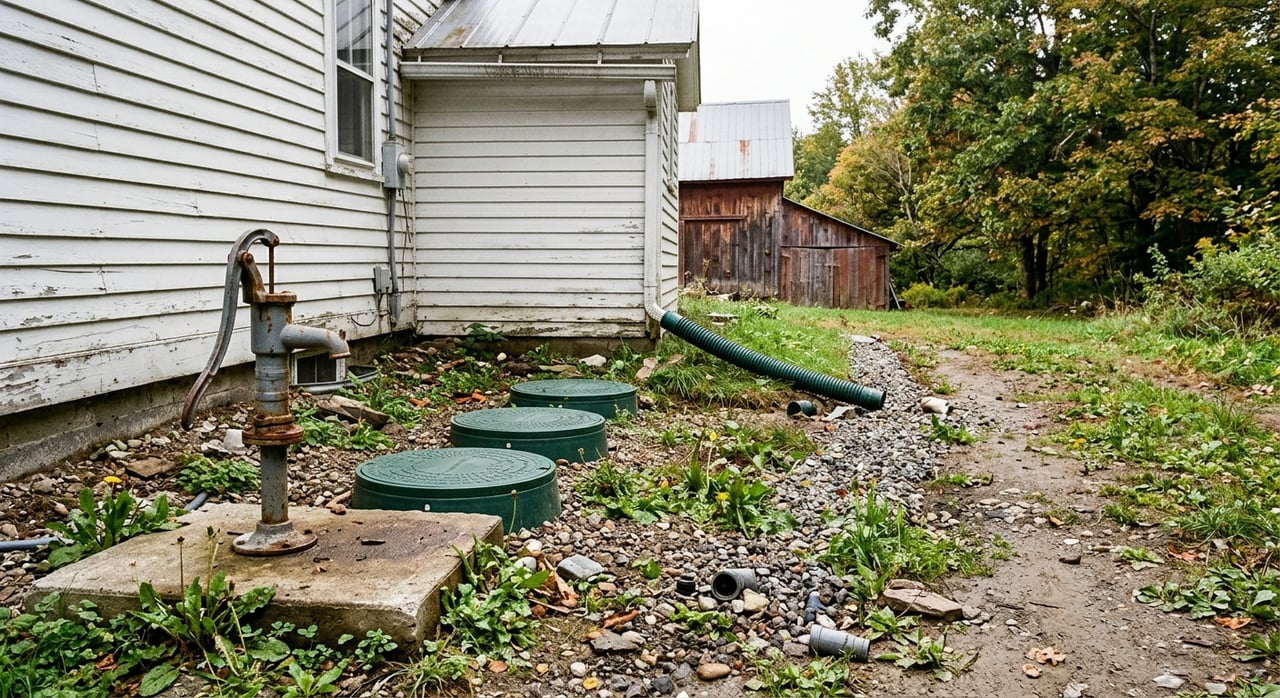
On a farm sale, buyers often look beyond the home itself. Water, septic, drainage, access, outbuildings, and boundary questions can all affect value and buyer confidence.
That means your prep stage should include a practical review of the full property. If there are known issues with a barn roof, lane access, drainage pattern, septic system, or recorded restriction, it is better to understand them early than to discover them during negotiations.
This is where a calm, methodical approach can make a big difference. The better organized the facts are before listing, the smoother the conversations tend to be once buyers start asking detailed questions.
Understand Seller Disclosure Rules
If your farm sale includes a house or other residential component, Pennsylvania’s Seller Disclosure Law may apply. In residential real estate transfers, the seller must disclose known material defects before signing the agreement of transfer.
The disclosure form covers more than the interior of the home. It includes roofs, basements, water and sewage systems, soils, drainage, boundaries, hazardous substances, legal issues affecting title or use, and stormwater facilities.
For farm sellers, that means property condition is broader than just the farmhouse. Site issues and land-related facts can matter just as much as the residence itself.
Why This Matters On A Farm Sale
A buyer may be evaluating the property for both residential and agricultural use. If known material issues affect water, drainage, access, or title, those details can shape inspections, financing, and final negotiations.
Good preparation does not mean you need every answer on day one. It does mean you should take disclosure obligations seriously and keep information updated if anything changes before settlement.
Plan For Contract And Closing
Once you are under contract, the process shifts from planning to execution. At that stage, the focus is usually on confirming terms, keeping disclosures current, coordinating settlement, and making sure the deed and final paperwork match the deal that was negotiated.
In Pennsylvania, the realty transfer tax is 1% of the value transferred, and there is often an additional local realty transfer tax. County recorders of deeds collect the tax, and both grantor and grantee are jointly and severally liable.
Some transfers are exempt, including certain family transfers and some farm or succession transfers. Because farm sales can involve preserved land or family planning issues, it is wise to review the final structure with a title professional or tax adviser rather than assume it will be treated like a standard residential sale.
Final Closing Checklist
- Confirm whether Clean and Green status is affected
- Verify whether any preservation or beginning-farmer incentive applies
- Update any disclosure changes before settlement
- Review the final settlement statement carefully
- Make sure the deed is recorded after closing
- Confirm deed history and recording through Lancaster County records
Why Early Planning Pays Off
The biggest mistakes in farm sales often happen at the beginning, not the end. Waiting too long to check Clean and Green status, parcel records, preservation restrictions, or disclosure issues can create stress later when a buyer is already in the picture.
A well-planned farm sale gives you more control over timing, structure, and expectations. It also helps protect family relationships by bringing key decisions into the open before the transaction becomes urgent.
If you are thinking about selling a farm in Lancaster County, a steady process matters. Working through goals, records, land-program details, and closing steps in the right order can help you protect value and move forward with confidence.
If you want calm, practical guidance on a Lancaster County farm sale, Ronald Clark can help you think through the land details, timing, and next steps with a local farm-and-land perspective.
FAQs
What should you do first when planning a Lancaster County farm sale?
- Start by clarifying your goals for the farm, including whether you want to sell all of it, keep some acreage, transfer it within the family, lease it, or explore preservation options.
How does Clean and Green affect a Lancaster County farm sale?
- Clean and Green uses use-value assessment instead of fair market value, and if land is removed from the program or the covenant is breached, rollback tax may apply for seven years of tax difference plus 6% simple interest per year.
What is the Clean and Green deadline for voluntary removal in Lancaster County?
- A voluntary removal request must be filed with the county assessor by June 1 of the year before the tax year for which removal is requested.
What is the difference between a split-off and a separation under Clean and Green?
- A split-off generally creates a residential tract and can trigger rollback tax on that split-off area, while a separation keeps qualifying tracts in agricultural, reserve, or forest use and does not trigger rollback tax if the land continues to qualify.
Do seller disclosure rules apply when a Lancaster County farm includes a house?
- Yes, if the transfer is residential, Pennsylvania law requires the seller to disclose known material defects before signing the agreement of transfer.
What property issues must a Lancaster County farm seller disclose on a residential transfer?
- The disclosure form covers issues such as roofs, basements, water and sewage systems, soils, drainage, boundaries, hazardous substances, title or use issues, and stormwater facilities.
Where can you verify Lancaster County farm parcel and deed information?
- A practical starting point is Lancaster County’s GIS Viewer 2.0 for parcel facts and the Recorder of Deeds public records search for deed history.
How can preservation status affect a Lancaster County farm sale?
- Agricultural conservation easements are permanent and can affect how the property is used, valued, and marketed, so preservation status should be confirmed early in the sale process.
Are there Pennsylvania incentives for selling or leasing farmland to a beginning farmer?
- Yes, Pennsylvania notes a realty transfer tax exemption for certain preserved farmland transfers to a qualified beginning farmer, and the Beginning Farmer Tax Credit Program may offer tax credits for selling or leasing agricultural assets to beginning farmers.
What transfer tax applies at closing on a Pennsylvania farm sale?
- Pennsylvania realty transfer tax is 1% of the value transferred, often with an additional local realty transfer tax, though some family and farm-related transfers may qualify for exemptions.