You can fall in love with a farmhouse in five minutes and still miss the details that matter most. If you are shopping for a farmette or rural estate in Lancaster County or the surrounding Pennsylvania counties, the real question is not just whether the home looks right. It is whether the land, water, access, and local rules support how you plan to live on the property. This guide will help you focus on the issues that shape day-to-day use, long-term costs, and fewer surprises after closing. Let’s dive in.
Start With the Land
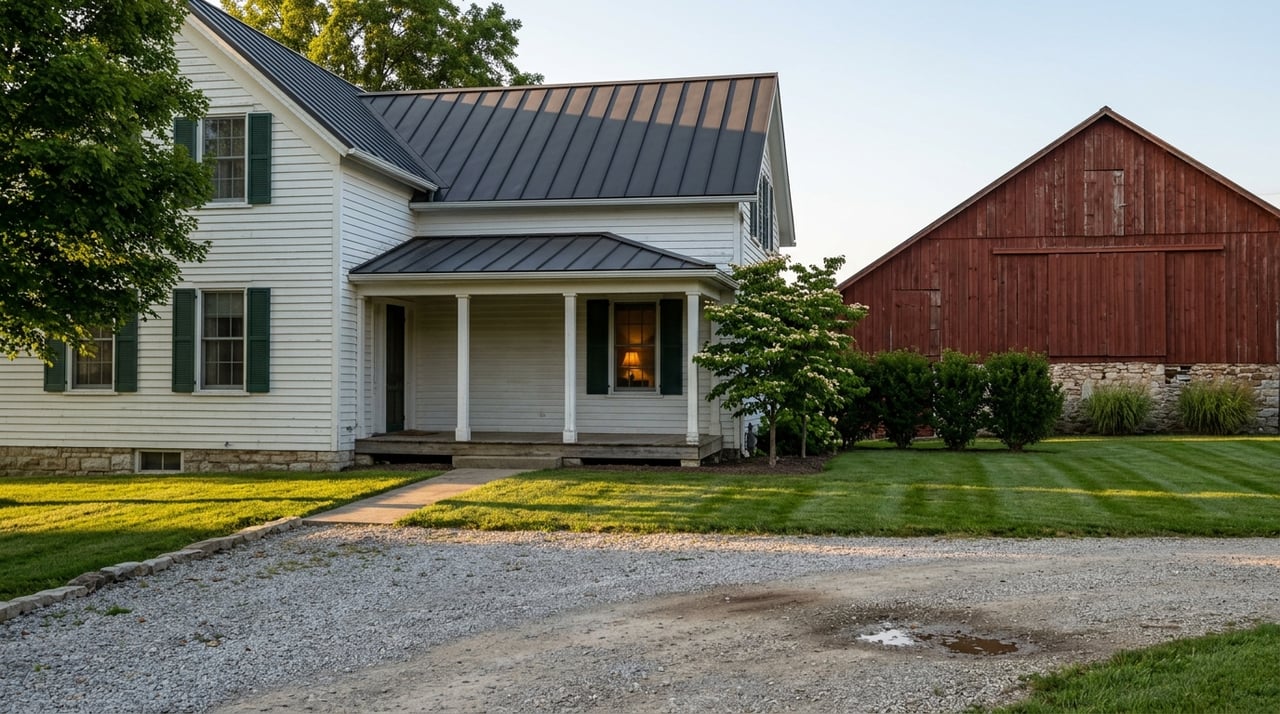
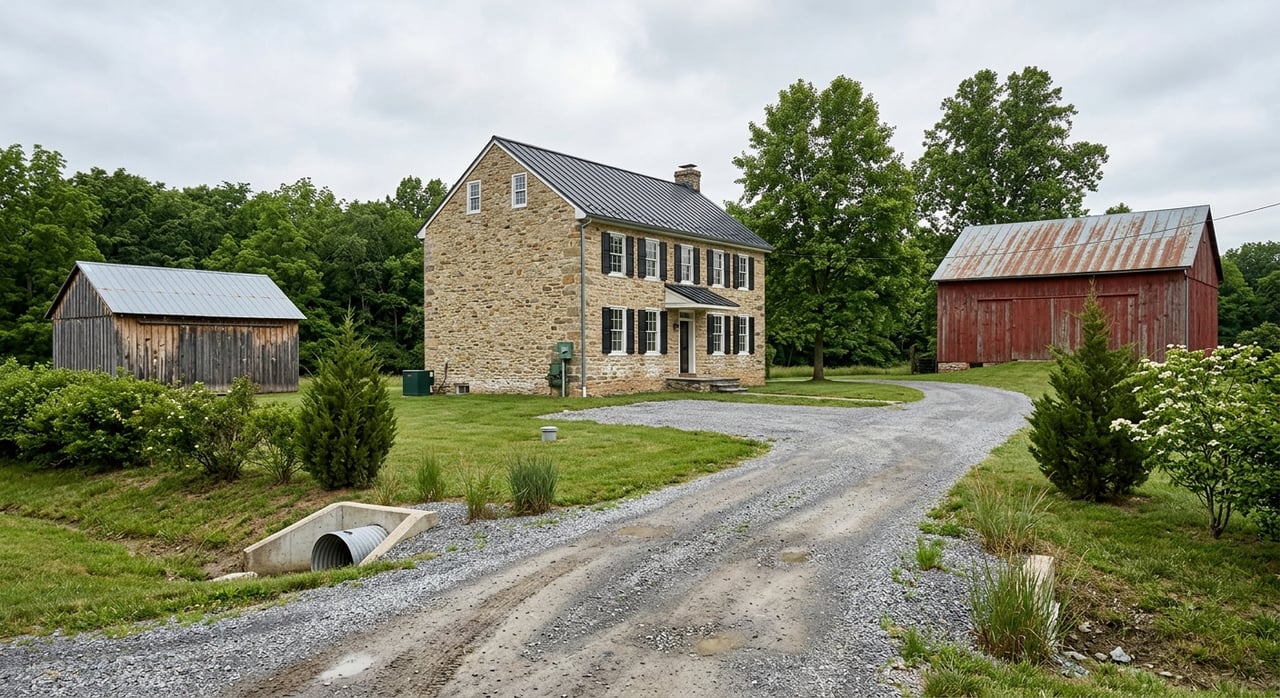
When you look at a rural property, start outside. A farmette works best when the land fits your goals, whether that means horses, gardens, a small hobby farm, equipment storage, or simply open space with privacy.
Total acreage is only part of the story. What matters just as much is usable acreage. High and low spots, wet areas, drainage patterns, field layout, and environmental features like streams, ponds, wells, or sinkholes can all affect how you use the property.
Penn State’s farmland guidance recommends reviewing the soil survey, field boundaries, acres, access, and environmental features before deciding a property is a fit. That is good advice in Lancaster County and in nearby Montgomery, Bucks, and Chester County markets, where two parcels with the same acreage can function very differently.
Usable Acreage Matters More
If you want pasture, room for animals, gardens, or a workshop area, ask early what part of the land is truly usable. Rights-of-way, conservation easements, drainage easements, and neighboring uses can limit what you can build, fence, farm, or change later.
That is why the deed and title record matter as much as the site visit. A beautiful field on showing day may come with restrictions that affect how you can use it after you own it.
Access Includes Internet Too
Rural access is not only about whether you can drive to the house. Penn State also recommends evaluating roads, bridges, telecommunications, and internet service because day-to-day usability matters.
If you work from home, stream often, or rely on stable service for business, test connectivity early. This is one of the simplest steps you can take to avoid frustration later.
Water and Septic Come First
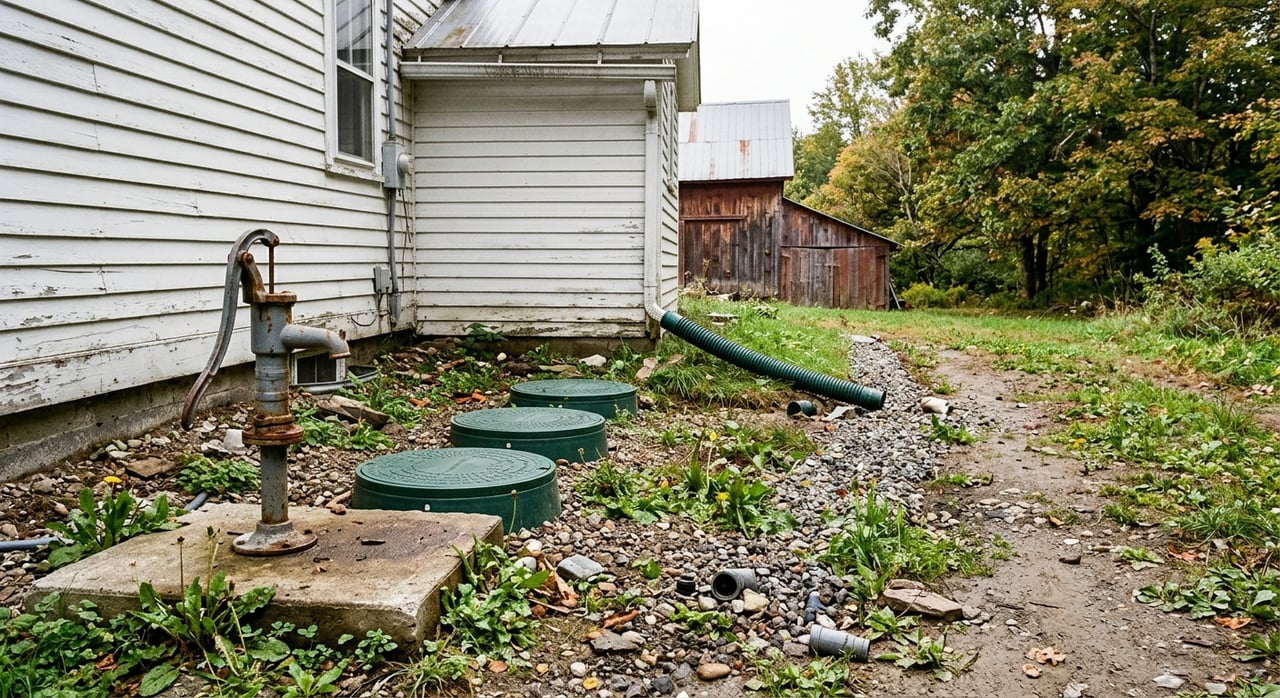
For many rural Pennsylvania homes, private utilities are a normal part of ownership. That also means you should treat well water and on-lot septic as core due-diligence items, not side notes.
Septic Inspection Is Essential
The Pennsylvania Department of Environmental Protection says many on-lot sewage systems are administered locally by municipalities or joint local agencies. Because a malfunctioning system can affect public health and the environment, septic review should be part of your purchase plan.
Penn State Extension recommends a septic inspection contingency and a certified inspector using PSMA/NOF standards. If records are available, review them before closing. If they are not, that is a signal to ask more questions.
Private Well Testing Matters
Pennsylvania does not regulate private water wells, so the owner is responsible for water safety. The Pennsylvania Department of Health recommends testing private well water every year for total coliform bacteria, nitrates, total dissolved solids, and pH.
The Department of Environmental Protection says to use a state-certified laboratory for drinking-water tests. If the home has a treatment system, the water should be tested again after the equipment is installed.
Ask About Recent Changes
Additional testing may be wise if there has been recent flooding, a chemical spill, nearby new agricultural or industrial activity, or well repairs. These are practical questions that can help you understand whether the water system has changed over time.
In rural property searches, water and septic are often some of the biggest difference-makers between a smooth purchase and an expensive lesson.
Review Barns and Outbuildings Carefully
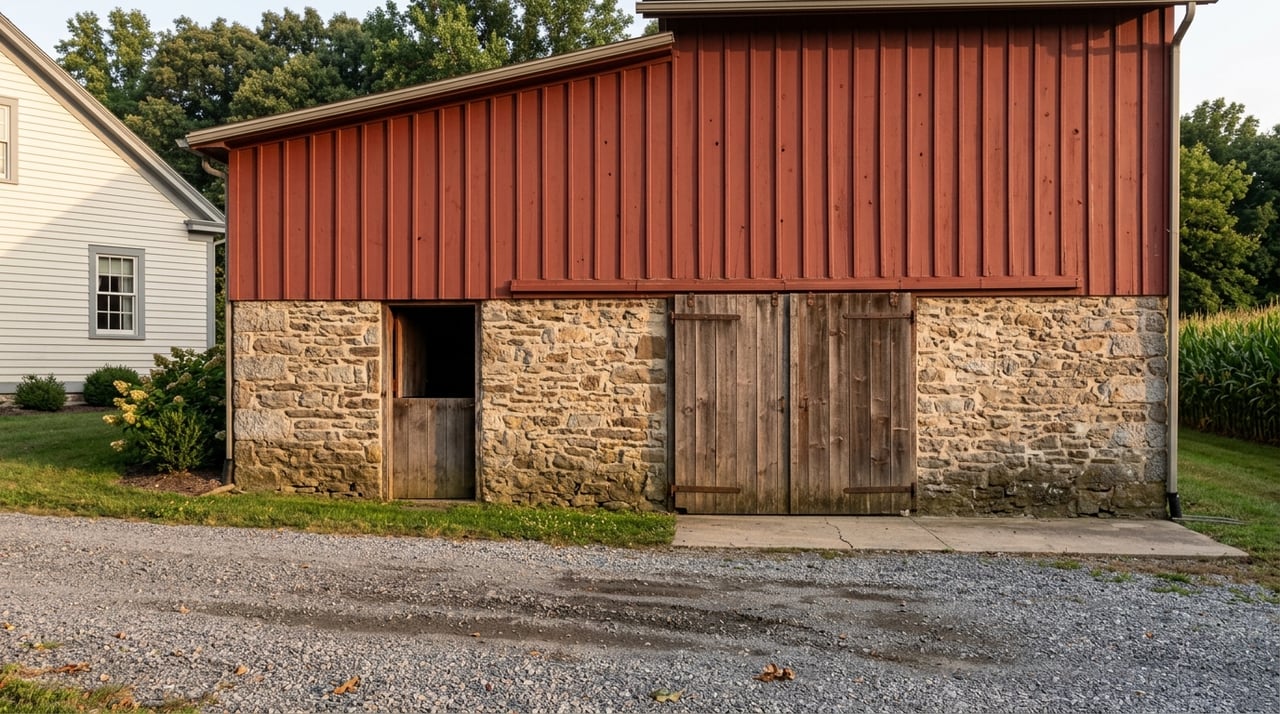
Barns, sheds, detached garages, fencing, workshops, and equipment buildings often carry real value on a farmette. They can also create confusion if you do not confirm what is included in the sale and what condition those improvements are in.
Penn State notes that purchase terms should clearly define what stays with the property, including fixtures such as fences and barns. Do not assume every outbuilding, gate, feeder setup, or workshop feature automatically transfers with the sale.
Confirm What Stays
Before you move forward, ask for clarity on items such as:
- Barns and sheds
- Detached garages and workshops
- Fencing and gates
- Utility hookups serving outbuildings
- Built-in storage, stalls, or fixed equipment
This step helps avoid misunderstandings and keeps your expectations aligned with the contract.
Check Permit History
If you plan to add a building, convert a barn, or change the use of a garage or shop, check with the local code office first. The Pennsylvania Department of Labor and Industry says that more than 90% of municipalities administer the Uniform Construction Code locally, so most permit questions are handled at the municipal level.
In practical terms, that means township-by-township review matters. What is allowed on one parcel may not be handled the same way on another.
Do Not Skip Driveway and Road Access
A long lane or rural driveway can look simple, but access questions deserve careful attention. If a property fronts on a state route, PennDOT’s highway occupancy permit process may apply to driveways and utility-related access.
Even if the driveway already exists, it is smart to verify whether permit history or future changes could affect your plans. This matters if you are thinking about widening access, changing traffic flow, or adding another entrance later.
Boundaries and Easements Count
If access is unclear, a surveyor is often the next practical call. Easements and right-of-access issues should be verified through the deed chain and title work, especially on rural properties where lanes, shared drives, or field access may cross multiple parcels.
This is one of those areas where small details can have a big effect on how a property functions every day.
Verify Zoning With the Township
In Pennsylvania, zoning is local. The Department of Community and Economic Development says zoning and permit questions should be directed to the township, borough, or city where the property is located.
That is especially important in Lancaster County, which includes 60 municipalities. Parcel-by-parcel verification matters because zoning is not one-size-fits-all.
Match Zoning to Your Plan
The most important zoning question is simple: does the parcel allow your intended use? If you want animals, a home business space, an added outbuilding, or future improvements, confirm that before you make an offer.
Penn State Extension notes that the municipal planning or building office can provide zoning information for a parcel. That local answer is far more useful than a general assumption based on how the property looks today.
Ask About Overlays and Restrictions
Beyond base zoning, ask whether the property is affected by conservation easements, Agricultural Security Area status, or other land-protection overlays. These programs can shape what you can change, how the land is treated, and in some cases the economics of ownership.
For some buyers, those restrictions are manageable. For others, they may change the fit of the property completely.
Understand Clean and Green
If you are buying a rural property in this region, Clean and Green should be on your radar. Under Pennsylvania’s program, qualifying land is assessed on use value rather than fair market value.
That can lower tax burden, but it also comes with rules. The state says that a change in use can trigger seven years of rollback taxes plus 6% simple interest.
Why It Matters to Buyers
Agricultural-use properties generally qualify at 10 acres or more, or at a smaller size if they can produce at least $2,000 in annual farm income. If a property is enrolled, ask how that status affects your plans for the land.
For example, if you hope to remove land from agricultural use, build in a new area, or make a significant change later, the tax impact may be important. This is one reason rural buyers benefit from calm, local guidance before they commit.
Build Your Due-Diligence File Early
The strongest rural purchases usually come from good preparation. Before you make an offer, it helps to assemble the documents and professionals that can clarify the property’s real-world fit.
Penn State advises buyers not to rely on the seller for restrictions and notes that a title attorney can search the chain of title for easements, restrictions, and mineral-rights issues. That is especially useful when the property includes acreage, shared access, or older improvements.
Key Documents to Review
A solid due-diligence file may include:
- Deed
- Title commitment or title report
- Survey
- Easement documents
- Septic records
- Well-water test results
- Permit history for additions or outbuildings
- Written confirmation of current zoning classification
Each item helps reduce uncertainty. Together, they give you a clearer picture of what you are actually buying.
Helpful Professionals to Involve
Depending on the property, your team may include:
- A septic inspector
- A Pennsylvania-accredited or state-certified water-testing lab
- A title or closing attorney
- The township zoning office for use questions
- County assessment or farmland-preservation staff if Clean and Green, Agricultural Security Area status, or easement details are unclear
On the right property, this work gives you confidence. On the wrong property, it can save you from an expensive mistake.
Focus on Fit, Not Just Finish
The best farmette or rural estate is usually not the one with the prettiest photos. It is the one where the land, water, septic, access, zoning, and existing improvements all support how you want to live.
In Lancaster County and the surrounding Pennsylvania market, rural property can offer real opportunity. It also rewards buyers who slow down, ask practical questions, and look beyond the house itself.
If you are weighing a farmette, acreage property, or rural estate in Southern Lancaster County or nearby markets, working with someone who understands land can make the process much clearer. Ronald Clark offers steady, practical guidance for buyers who want to make a careful move with confidence.
FAQs
What should you look at first on a Lancaster County farmette?
- Start with the land itself, including usable acreage, drainage, field layout, environmental features, access, and any easements or restrictions that may affect your plans.
Why is usable acreage important on a rural estate?
- Usable acreage tells you how much of the property can realistically support your intended use, which may be very different from the total acreage shown in the listing.
What water tests should you consider for a Pennsylvania private well?
- The Pennsylvania Department of Health recommends annual testing for total coliform bacteria, nitrates, total dissolved solids, and pH, using a state-certified laboratory.
Why should you inspect septic before buying a Pennsylvania farmette?
- Many rural homes rely on on-lot septic systems, and a septic inspection contingency with a certified inspector can help identify issues before closing.
How do you verify zoning for a rural property in Lancaster County?
- Contact the local township, borough, or city where the parcel is located, since zoning in Pennsylvania is handled at the municipal level.
What is Clean and Green on a Pennsylvania rural property?
- Clean and Green is a state tax program that assesses qualifying land on use value rather than fair market value, but changes in use can trigger rollback taxes and interest.
What documents should you review before buying a farmette or rural estate?
- Common items include the deed, title report, survey, easement documents, septic records, well-water tests, permit history, and written zoning confirmation.
Why do outbuildings need extra review on a farmette?
- Barns, sheds, garages, workshops, and fences can be major value drivers, so you should confirm what stays with the property and whether any permit or use questions apply.