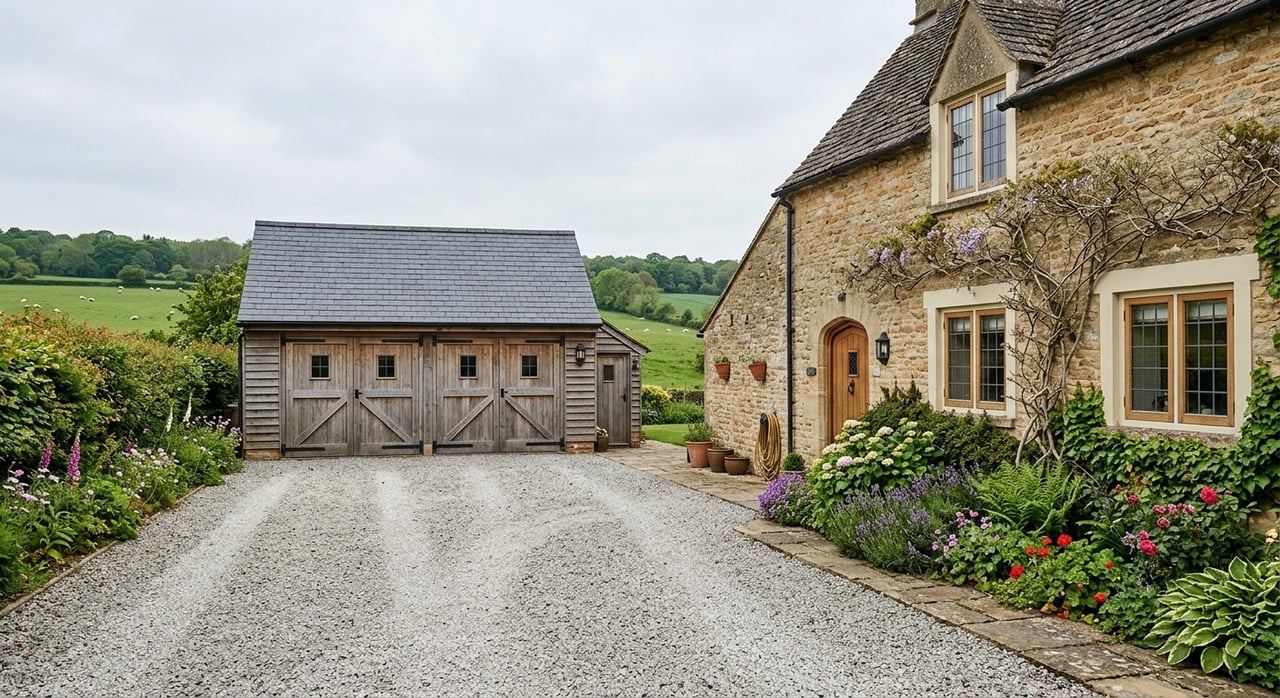
If you want open views, more elbow room, and a quieter pace without giving up access to work, rural Frederick County can make a lot of sense. The challenge is that country living here is not just about finding the prettiest parcel. It is about matching your daily routine to the right part of the county and doing careful homework before you buy. Let’s dive in.
Why commuting looks different here
Frederick County is still largely a car-first commute market. In the county’s 2019 to 2023 ACS profile, 69.6% of workers drove alone, 7.0% carpooled, 1.1% used public transportation, and 19.2% worked from home. That mix tells you something important: most people still plan their housing decisions around road access, but hybrid work is also giving buyers more flexibility.
Commute time is another piece of the puzzle. Frederick County’s average travel time to work was about 33.4 to 33.7 minutes, which is a little above Maryland’s 31.4-minute average. For many buyers, that is still manageable, but it makes location inside the county matter a great deal.
The main pressure points are the major road corridors. County transportation planning materials identify I-270, I-70, and U.S. 15 as congested highways, and the I-270 corridor in particular is a key route between Frederick County and Montgomery County. In practical terms, your commute experience often depends less on whether you live in Frederick County and more on which corridor your home connects to.
Why location inside Frederick County matters
Not every rural part of Frederick County works the same way for commuters. The county’s park-and-ride network is clustered around major road nodes such as Urbana, North Frederick, Frederick, Jefferson, Myersville, New Market, and Woodsboro. That pattern shows where commute support is strongest.
For many buyers, eastern and southern Frederick County line up better with Montgomery County, Rockville, Silver Spring, and broader Washington-area commutes. Those areas connect more directly to I-270 and to several commuter bus and rail access points. If your job takes you toward the Metro area, this part of the county may offer a better balance between space and drive time.
Western and northwestern parts of the county often appeal to buyers who work locally in Frederick County, commute west, or are comfortable with a longer drive in exchange for more land and privacy. That is not a hard rule, but it is a useful planning lens. When you are buying acreage, the extra privacy can come with added travel time.
County land-use policy supports this same idea. Frederick County’s planning framework directs residential development toward designated growth areas with transportation choices and infrastructure. For you as a buyer, that means the most commute-friendly country properties are often the ones that still sit close to the county’s infrastructure spine.
Where regional commuting goes
Frederick County is not just a one-direction commute market. The county’s 2021 LEHD commuting data show that Montgomery County is the biggest out-of-county destination for residents, but there are also notable commuter flows to Baltimore-area counties, Washington, D.C., Virginia, and West Virginia. That gives buyers more than one possible path to making rural living work.
This matters if your household has more than one commuter. One person may travel toward Montgomery County while another heads toward Frederick or farther west. In that situation, choosing the right rural location becomes less about a simple map search and more about balancing two real routines.
Transit and park-and-ride options
Even in a car-first county, driving the whole way is not your only option. Frederick County’s regional transportation resources list MARC Brunswick Line service, MTA commuter buses 204, 505, and 515, plus regional park-and-ride lots. For some buyers, these options can turn a property that feels rural into one that is still practical.
MARC’s Brunswick Line serves Frederick County stations at Frederick, Monocacy, Point of Rocks, and Brunswick. The line also reaches Metro-area stops including Rockville and Silver Spring before continuing to Washington Union Station. If you can get to one of those stations without much hassle, rail may be a realistic part of your plan.
The commuter bus network is also worth looking at closely. Route 515 connects Frederick, North Frederick Park & Ride, Monocacy, and Urbana to Shady Grove and Rock Spring. Route 204 connects Monocacy and Urbana to College Park, and route 505 connects Myersville Park & Ride to Shady Grove Metro Station.
That means a home does not have to sit in a dense suburb to support a regional commute. It does, however, help to be near one of these nodes. If you are shopping for country living, proximity to a station or park-and-ride can matter almost as much as acreage.
Hybrid work changes the math
If you only commute a few days a week, your options open up. Since 19.2% of Frederick County workers already work from home, hybrid schedules are clearly part of the county’s real-world housing picture. A property that feels too far for a five-day commute may work very well for a two- or three-day routine.
This is where rural Frederick County becomes especially appealing. You may be able to stretch farther out for more land, a longer driveway, or a quieter setting if you are not making the trip every morning. The key is being honest about how often you need to be on the road and how much flexibility your job really allows.
What to weigh before buying acreage
When you buy a rural property, the land itself becomes part of your daily logistics. That is why country-home decisions should not stop at square footage, finishes, or views. You also need to study the property’s systems and access.
Check well and septic early
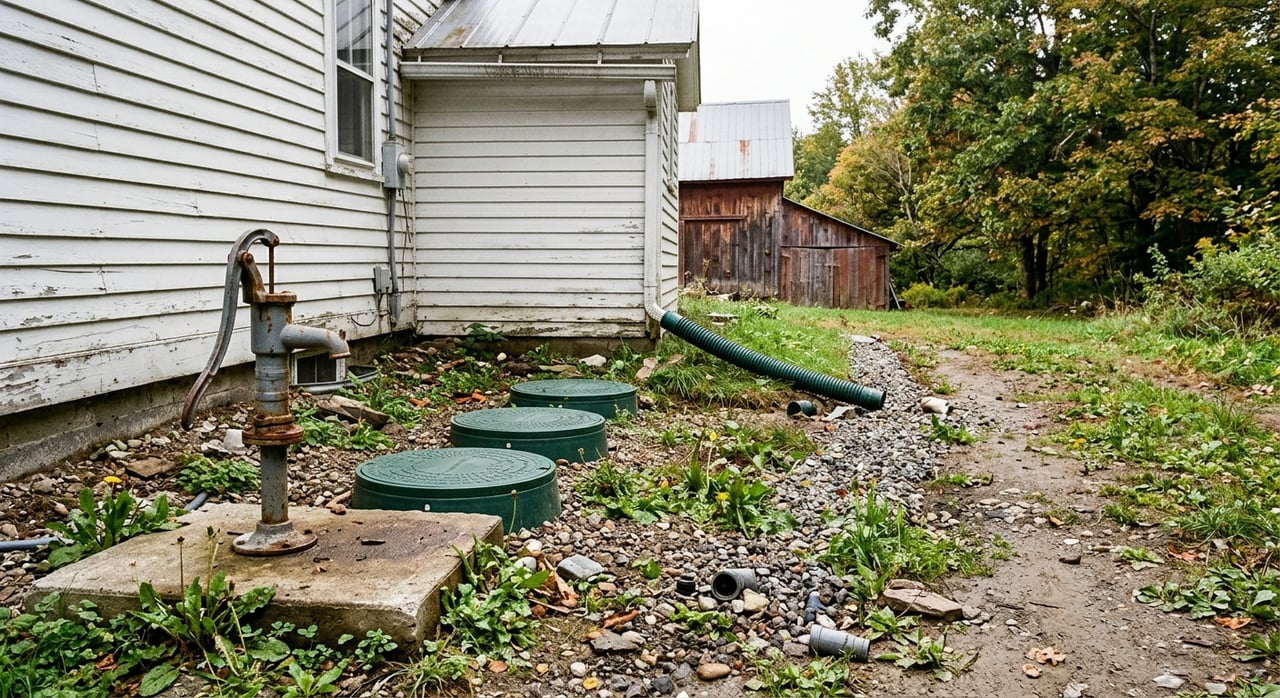
In Frederick County, well and septic questions should move to the top of your due-diligence list. The county Health Department issues well permits, performs soil evaluations and percolation tests for new construction, keeps well and septic records, recommends regular well-water testing, and offers a septic pump-out rebate program. On acreage, utility feasibility matters just as much as the setting.
A percolation test helps determine how quickly the soil absorbs water, and that can affect what a septic system supports. County guidance notes that this can influence the number of bedrooms a septic system will allow. If you are thinking about future additions or a different layout, that detail matters.
Think about future improvements
Rural buyers often picture extra buildings or outdoor features right away. Maybe you want a barn, a pool, a detached garage, or a workshop. Frederick County permit guidance says septic areas must remain open for initial installation and future repairs, so the space you see as buildable may not all be available for those plans.
This is one of the most common places where careful land review helps. A property can look ideal from the road and still have constraints that affect how you use it later. If your long-term vision includes accessory structures, the layout of the lot matters.
Treat access like infrastructure
A long private drive can feel like part of the dream. It gives you separation from the road and can add to the sense of privacy. But it also needs to work in all seasons and under everyday use.
Frederick County requires driveway entrance apron permits for residential and farm entrances, and permit review includes sight-distance and inspection requirements. That means access is not just a convenience issue. It is part of the property’s infrastructure and should be evaluated that way.
Verify internet and cell coverage
If you plan to work from home even part time, check broadband and cell service early. Frederick County’s planning framework specifically calls for evaluating the technological needs of homes and expanding advanced telecommunications in rural and underserved areas. That tells you the issue is real enough to be part of county planning.
Do not assume that a beautiful property will automatically support your work routine. If video calls, file transfers, or steady mobile service matter to your week, confirm that before you get too far into the process.
A simple way to narrow your search
If you are trying to balance commuting and country living, start by defining your routine before you define the house. Ask yourself a few practical questions:
- How many days a week will you commute?
- Which direction do you travel most often?
- Would a park-and-ride, commuter bus, or MARC station help?
- How much land do you actually want to maintain?
- Do you need room for future outbuildings or other improvements?
- Will you rely on home internet for remote work?
Those answers can help you sort properties much faster. They also make it easier to avoid falling in love with a parcel that does not fit your daily life.
The bottom line for buyers
Rural Frederick County can be a strong fit if you want more space without losing regional access. In many cases, east or southeast county locations better support Montgomery County and Metro-area commuting, while western areas may suit local or westbound routines and buyers willing to trade convenience for more privacy. Hybrid work can widen your options even more.
The bigger lesson is simple: on acreage, location and due diligence matter as much as the home itself. The right property is not just the one with the best view. It is the one that supports your commute, your utility needs, and the way you want to live day to day.
If you are weighing acreage, rural homes, or land in Maryland and want a steady, practical perspective on what to check before you buy, Ronald Clark can help you think through the details and plan your next move.
FAQs
How long is the average commute in Frederick County, Maryland?
- Frederick County’s average travel time to work is about 33.4 to 33.7 minutes, which is slightly above the Maryland average of 31.4 minutes.
Which parts of Frederick County are often better for Montgomery County commuting?
- Eastern and southern Frederick County are often better positioned for Montgomery County, Rockville, Silver Spring, and other Washington-area commutes because they align more closely with I-270 and key commuter transit access points.
What commuter transit options are available in Frederick County?
- Frederick County offers MARC Brunswick Line service, MTA commuter buses 204, 505, and 515, plus park-and-ride lots at several major road nodes.
Which MARC stations serve Frederick County commuters?
- Frederick County MARC stations include Frederick, Monocacy, Point of Rocks, and Brunswick, with service reaching stops such as Rockville and Silver Spring before continuing to Washington Union Station.
What should buyers check before purchasing rural acreage in Frederick County?
- Buyers should review well and septic records, soil and percolation issues, driveway access requirements, room for future repairs or improvements, and broadband or cell coverage if remote work is part of daily life.
Can hybrid work make rural Frederick County more practical?
- Yes. Because 19.2% of Frederick County workers already work from home, a hybrid schedule can make it easier to live farther out in the county while still managing a regional commute a few days each week.